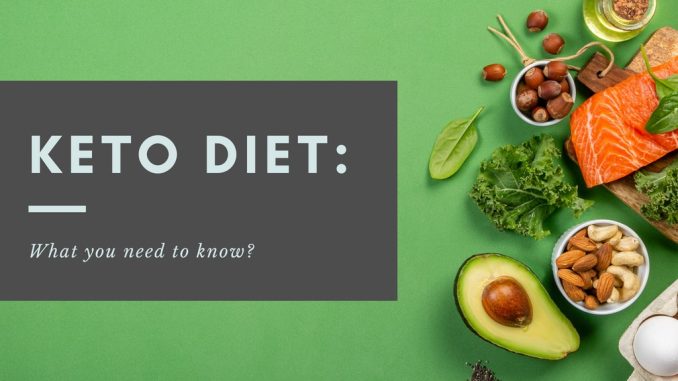
The ketogenic diet, commonly known as the keto diet, has surged in popularity over the past decade, capturing the attention of health enthusiasts, celebrities, and researchers alike. At its core, the ketogenic diet represents a radical shift in the way we approach nutrition, emphasizing a very low carbohydrate intake, moderate protein, and high fat consumption. This distinctive macronutrient balance forces the body into a metabolic state called ketosis, where fat becomes the primary fuel source instead of glucose derived from carbohydrates. But what exactly does this mean for your body, your health, and your lifestyle? Understanding the essentials of the ketogenic diet can help you determine whether it aligns with your goals and needs.
The primary appeal of the ketogenic diet lies in its potential to promote weight loss and metabolic health. When the body enters ketosis, it begins to convert fat into molecules called ketones, which serve as an alternative energy source for the brain and muscles. This shift can lead to more efficient fat burning, often resulting in noticeable reductions in body fat. For many people, this metabolic adjustment translates into a decrease in hunger and cravings, which can be a game changer for those who struggle with traditional calorie-restriction diets. The ability to feel satiated while consuming fewer carbohydrates is one reason the keto diet has attracted a loyal following.
Beyond weight loss, the ketogenic diet was initially developed in the 1920s as a therapeutic approach to managing epilepsy, particularly in children who did not respond well to medications. Its success in reducing seizures sparked interest in the broader neurological benefits of ketosis. Today, researchers are investigating how the keto diet might support brain health by improving cognitive function and protecting against neurodegenerative diseases such as Alzheimer’s and Parkinson’s. Although these areas are still under study, the connection between ketones and brain metabolism offers promising insights into how diet can influence mental performance and resilience.
However, adopting a ketogenic lifestyle requires more than simply cutting carbs. The diet is notoriously restrictive, often limiting carbohydrate intake to as little as 20 to 50 grams per day. This means eliminating or severely reducing foods like bread, pasta, rice, most fruits, and many processed snacks that are staples in typical Western diets. Instead, the emphasis shifts to consuming high-fat foods such as avocados, nuts, seeds, oils, fatty fish, and meats, while maintaining moderate protein intake. This dramatic alteration can be challenging both socially and practically, as it demands careful meal planning, label reading, and sometimes overcoming cravings for familiar foods.
Nutritionally, the ketogenic diet presents both opportunities and concerns. On one hand, by cutting processed carbohydrates and sugars, it naturally reduces intake of inflammatory foods that contribute to insulin resistance and metabolic syndrome. This can lead to improved blood sugar control and lipid profiles in many individuals, which are positive markers for cardiovascular health. On the other hand, the high intake of saturated fats associated with some keto food choices raises questions about long-term heart health. While some studies suggest that keto can improve cholesterol markers by raising HDL (good cholesterol) and lowering triglycerides, the impact on LDL (often called bad cholesterol) can vary widely among individuals. This highlights the importance of personalizing the diet and monitoring health indicators closely.
The transition into ketosis itself can bring about temporary side effects often referred to as the “keto flu.” These symptoms—headache, fatigue, irritability, nausea, and dizziness—occur as the body adapts to a new fuel source and shifts its metabolic pathways. Staying well-hydrated, replenishing electrolytes, and gradually reducing carbohydrates rather than cutting them abruptly can help mitigate these uncomfortable effects. Additionally, the restrictive nature of the diet may lead to deficiencies in certain vitamins and minerals, especially if one does not incorporate a variety of nutrient-dense, low-carb vegetables and supplements when necessary.
It’s also worth noting that the ketogenic diet isn’t suitable for everyone. Individuals with certain medical conditions, such as pancreatitis, liver disease, or disorders of fat metabolism, should avoid keto or consult a healthcare professional before making drastic dietary changes. Pregnant or breastfeeding women, as well as athletes engaged in high-intensity training, may also need tailored nutritional approaches that differ from the strict ketogenic model.
In real-world practice, many people find that a cyclical or targeted ketogenic approach fits their lifestyle better than strict daily carb limits. These variations allow for periodic carbohydrate intake around workouts or on certain days, making the diet more flexible and sustainable over time. Moreover, the principles of keto—reducing processed foods, focusing on whole foods, and balancing macronutrients—can be adapted without fully entering ketosis, still delivering some metabolic benefits.
Ultimately, the ketogenic diet is a powerful nutritional strategy that demands respect for its complexities and individual nuances. For those considering keto, understanding the science behind ketosis, recognizing the lifestyle adjustments required, and carefully weighing the benefits against the potential risks are essential steps. Whether the goal is weight loss, improved metabolic health, or neurological benefits, approaching the ketogenic diet with informed guidance and realistic expectations will make all the difference.
In summary, the ketogenic diet offers a compelling alternative to conventional dietary approaches by fundamentally altering the body’s energy metabolism. While it has demonstrated impressive results in weight management and certain medical conditions, it also requires a thoughtful and personalized approach to ensure it supports overall health. As interest in keto continues to grow, so does the need for ongoing research and education to help individuals harness its potential safely and effectively. With the right mindset and knowledge, the ketogenic diet can be a valuable tool in the journey toward better health and well-being.