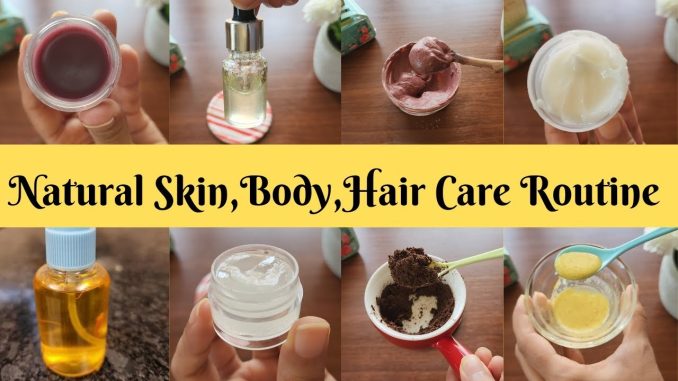
In an age where ingredient lists on cosmetic products can resemble a complex chemical equation, and the pursuit of radiant skin often comes with a hefty price tag, a growing number of individuals are turning towards a simpler, more transparent approach: creating a do-it-yourself (DIY) natural skincare routine. This movement is fueled by a desire for greater control over what touches our skin, a preference for ethically sourced and environmentally friendly ingredients, and a yearning for routines that celebrate the bounty of nature. Far from being a fleeting trend, a well-thought-out DIY natural skincare regimen can be a deeply rewarding and surprisingly effective path to healthier, glowing skin, provided one approaches it with knowledge, caution, and a realistic understanding of natural ingredients.
The allure of DIY natural skincare lies in its inherent simplicity and the ability to tailor products precisely to your skin’s unique needs. Commercial products, by necessity, are formulated for a broad audience, often containing preservatives, fillers, and fragrances that may not agree with sensitive or reactive skin. With a DIY approach, you become the formulator, hand-picking each ingredient for its specific benefits and purity. This transparency fosters a greater connection to your skincare, transforming a mundane daily ritual into an act of self-care rooted in nature.
Before embarking on this rewarding journey, it’s crucial to approach it with an informed perspective. While “natural” often equates to “safe,” not all natural ingredients are suitable for direct skin application, and some can even cause irritation or allergic reactions. Patch testing a small amount of any new ingredient on an inconspicuous area of your skin (like the inside of your forearm) for 24-48 hours before applying it to your face is an absolute non-negotiable step. Furthermore, understanding the basic science of skincare—cleansing, toning, moisturizing, and protecting—provides a robust framework for building an effective routine.
Let’s begin with the cornerstone of any skincare routine: cleansing. For a DIY approach, gentle, nourishing cleansers are key. Honey, particularly raw, unpasteurized honey, is an excellent choice due to its natural antibacterial and humectant properties. It cleanses gently while drawing moisture into the skin, leaving it soft, not stripped. Another option is a simple oil cleanse using non-comedogenic oils like jojoba, sweet almond, or grapeseed oil. The principle here is that “like dissolves like”; the oil gently dissolves impurities and excess sebum without disturbing the skin’s natural barrier. A warm, damp cloth used to gently remove the oil can leave the skin feeling remarkably clean and balanced.
Following cleansing, toning helps to balance the skin’s pH, remove any lingering impurities, and prepare the skin for subsequent treatments. Witch hazel (alcohol-free) is a popular natural astringent that can help tighten pores and reduce inflammation. Rose water, with its soothing and anti-inflammatory properties, makes for a delightful and gentle toner, particularly for sensitive or mature skin. For those prone to breakouts, a diluted apple cider vinegar solution (one part ACV to three parts water) can act as a natural exfoliant and antibacterial agent, but it’s crucial to start with a very weak solution and observe your skin’s reaction carefully.
The realm of moisturizing offers a vast array of natural options, tailored to different skin types. For dry skin, heavier oils like unrefined shea butter, cocoa butter, or avocado oil provide deep nourishment and create a protective barrier. Oily or acne-prone skin can benefit from lighter, non-comedogenic oils such as jojoba oil (which closely mimics the skin’s natural sebum, signaling it to produce less oil), or aloe vera gel, known for its soothing and hydrating properties without clogging pores. For a multi-benefit moisturizer, consider combining a base oil with a few drops of an essential oil known for its skincare benefits, such as tea tree oil for blemishes (diluted heavily!), lavender for calming, or frankincense for anti-aging properties. However, always research essential oil safety and dilution ratios thoroughly, as they are potent compounds.
Beyond these daily staples, occasional treatments like masks and exfoliants can elevate your DIY routine. For exfoliation, finely ground oats mixed with honey or yogurt make a gentle physical scrub. For a chemical exfoliation, very diluted fruit acids (like those found in pineapple or papaya) can be carefully used, but this requires significant caution and research to avoid irritation. Clay masks (like bentonite or kaolin clay) mixed with water or apple cider vinegar are excellent for drawing out impurities and detoxifying the skin, particularly for oily or congested complexions.
Storage and shelf-life are vital considerations in DIY natural skincare. Unlike commercial products, homemade formulations often lack robust preservatives, making them susceptible to bacterial growth. Small batches are key. Store products in airtight, clean containers, preferably in a cool, dark place or even refrigerated for ingredients like aloe vera or fresh fruit masks. If a product changes color, develops an unusual odor, or shows signs of separation, it’s best to discard it immediately. Using distilled water instead of tap water in formulations can also help extend shelf life.
In conclusion, creating a DIY natural skincare routine is an empowering journey that connects you more intimately with the ingredients you use and the needs of your own skin. It offers the potential for tailored, pure formulations free from unwanted chemicals and fragrances. While it demands research, patience, and a commitment to careful preparation and storage, the rewards—clearer understanding, reduced exposure to synthetic additives, and the satisfaction of nurturing your skin with nature’s bounty—can be truly transformative. It’s a step towards conscious beauty, allowing you to cultivate not just radiant skin, but also a deeper appreciation for the simple, powerful gifts of the natural world.